This editorial guide traverses the quiet, almost ceremonial process of selecting an organic mattress. It demystifies materials, explains certifications, and grounds every choice in the lived realities of UK consumers. From the soft hush of natural latex to the robust assurances of GOTS, the journey to a healthier sleep is a careful pacing of discernment and comfort.
Introduction: The Quiet Revolution in Sleep Surfaces
In recent decades, the bedroom has become a laboratory of personal well-being. The mattress—once a hidden, utilitarian component—now stands at the intersection of science, sustainability, and daily ritual. Organic and natural fillings promise a chemical-free environment, yet the marketplace can resemble a forest of marketing slogans. This guide aims to illuminate how to read labels, compare fillings, and evaluate longevity without succumbing to hype. For readers in the UK, local standards and product availability shape practical decisions as much as ecological ideals.
Materials: Organic Latex, Wool, and Cotton
Organic mattresses derive their appeal from a deliberate layering of natural materials that perform differently under pressure, heat, and time. The most common options include:
- Organic latex: Derived from natural rubber, latex offers buoyant support, durations of bounce, and excellent pressure distribution. It is often Dunlop or Talalay processed, each with its distinct feel and venting properties.
- Organic wool: Used as a natural insulator and regulator, wool can wick moisture, adapt to seasonal changes, and contribute to a cooler, drier sleep surface when blended with other fillings.
- Organic cotton: Often used as a breathable cover or core layer, organic cotton provides a stable, chemical-free shell that can cradle other fillings.
Beyond these core materials, you may encounter blends that pair latex with wool or cotton in ways designed to optimize temperature, resilience, and edge support. Understanding the roles of each material helps you tailor a mattress to your sleeping position, body weight, and climate.
Certifications: What They Signify and Why They Matter
Certifications act as a public record of adherence to defined standards. They can be the difference between informed confidence and marketing gloss. In the organic bedding space, several benchmarks deserve close attention:
- GOTS (Global Organic Textile Standard): A leading standard for organic textiles, including cotton, which certifies organic farming practices and ecological processing. When a mattress or cover carries GOTS, you can be reasonably assured the textile components meet strict environmental and social criteria.
- GOLS (Global Organic Latex Standard): A certification specific to organic latex, ensuring latex is sourced from organic rubber plantations and processed under controlled conditions.
- OEKO-TEX Standard 100 or similar test-based certifications: While not exclusively organic, these tests assess the presence of harmful substances in textiles. They provide a layer of safety for sensitive sleepers.
- UK-specific standards: In the UK, consumer protection and labeling practices influence how organic claims are presented. Look for transparency about sourcing, processing, and any chemical treatments. Local retailers may also align with UK supply chains that reflect climate and regulatory peculiarities.
The presence of certifications is not a silver bullet; it is a map. It helps you navigate credibility, traceability, and the likelihood that a product will perform as advertised under real-world use. When evaluating a mattress, cross-check certifications for each material layer rather than accepting a single blanket claim.
The UK Buyer’s Checklists: Testing Comfort, Assessing Lifespan, and Reading Labels
Choosing an organic mattress in the UK involves practical checks that echo the rhythms of daily life. Use the following structured approach to ground your decision:
- Define your sleep position and firmness preference. Side sleepers often require more contouring; back sleepers may benefit from even support along the spine; stomach sleepers typically seek a firmer surface to reduce dipping.
- Assess the comfort layer design. A layered approach (on top of a supportive base) influences how your body disperses pressure. Look for breathable top layers and moisture-wicking properties in the cover.
- Evaluate durability and care requirements. Organic materials may require specific care, such as rotation schedules and temperature-tolerant washing of covers. Check warranty terms and expected mattress lifespan in relation to your usage.
- Consider climate and seasonal changes. The UK experiences a broad range of humidity and temperature. Materials like wool can help regulate temperature naturally, while latex provides resilience that may suit varying room conditions.
- Factor in local availability and trial periods. UK retailers often offer trial periods so you can experience the mattress in your own bedroom before making a long-term commitment.
These practical steps align with a broader principle: prioritize materials and processes that align with your values—chemical-free assurances, sustainable farming practices, and transparent supply chains—while balancing the tactile realities of comfort and support.
A Product Spotlight: The Upholstered Bed Frame as a Complementary Foundation
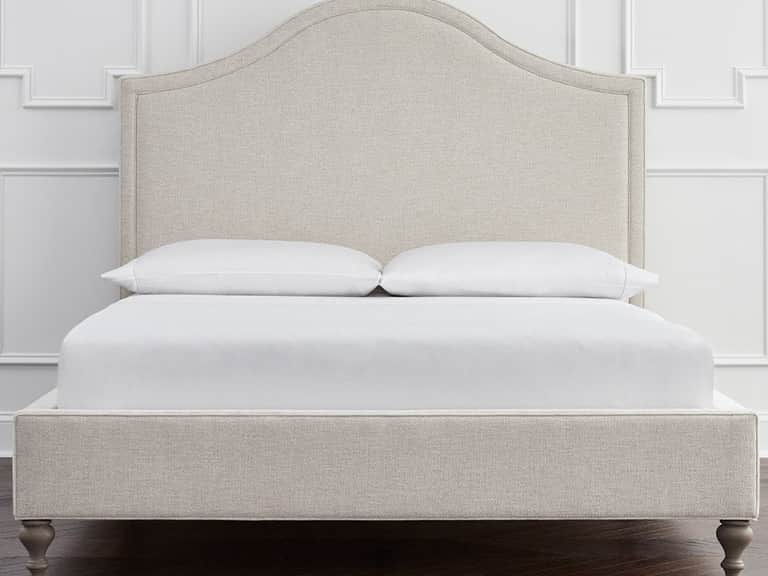
Upholstered Bed Frame
An anchor for restorative sleep, this frame combines three textiles with a sturdy wooden slatted base. Its perimeter is extended by two inches to support the mattress edge, delivering a refined silhouette without compromising structural integrity.
Key features: Easy one-tool assembly; durable wooden slatted base; textile-rich surface for a designer finish.
Links to Thoughtful Voices Across Time
To illuminate the topic further, consider three key individuals who have shaped our understanding of materials, design, and sleep through different eras:
- Florence Nightingale (19th century): A pioneer of hygiene and well-being, her emphasis on environments that support health echoes in today’s push for chemical-free, clean bedroom ecosystems. Nightingale’s advocacy for sanitary, well-ordered spaces underlines the moral dimension of comfortable living and safe sleep environments.
- Henry Ford (early 20th century): The industrialization of production brought standardized materials and consistent, scalable design. While Ford is primarily associated with automobiles, his relentless focus on efficiency and reproducibility laid groundwork for modern, honest manufacturing—an ethos that informs transparent sourcing and certification in the mattress industry today.
- Christiane Röst: sleep science contributor (late 20th to early 21st century): A modern voice in sleep research, Röst’s work on circadian biology and environmental cues has helped translate laboratory insights into practical tips. Her influence feeds into consumer guidance on how mattress materials interact with temperature, airflow, and the body’s natural rhythms.
These figures remind us that the bed is not merely a place for rest; it is a cultural artifact shaped by science, industry, and daily rituals. The organic mattress movement continues that tradition by combining rigorous standards with the intimate, private act of sleep.
Case Studies: How Certifications Translate to Real-World Confidence
Imagine two UK shoppers evaluating mattresses. Both are health-conscious and eco-minded, yet their paths diverge based on documentation and confidence in the product lineage.
- : A product listing prominently features GOTS and GOLS certifications for textile and latex layers. The buyer can trace the organic cotton cover to its farm and the latex to organic rubber plantations. The documentation, combined with a clear warranty, creates a reliable expectation of chemical-free materials and durable performance.
- : A mattress showcases a certification badge but provides minimal disclosure about the farms, mills, or processing steps. The shopper may feel a prudent skepticism, seeking additional independent sources, trials, or third-party verification beyond the badge.
These scenarios reinforce a broader message: certifications are essential signposts, but the traveler’s trust grows with transparent storytelling—where materials originate, how they are processed, and how the manufacturer stands behind the product through time.
Conclusion: Sleep Health in the Organic Era
As with the landscapes of ancient and modern science, the decision to choose an organic mattress is a journey, not a single destination. It demands curiosity, patience, and a certain humility before material truths. By focusing on materials, certifications, and UK realities, you align your bedtime with a lasting sense of security, comfort, and responsibility. The bed you choose becomes more than a place to lie down; it becomes a conscious agreement with your daily rhythms and a quieter, more intentional life.