Bedding · Sleep comfort
How to Choose a Vispring Mattress Topper for Comfort and Fit
A mattress topper can soften the first impression of a bed, add a little cushioning or bring a different texture to the surface. Choosing one that works well—whether you are considering a Vispring mattress topper or comparing options more broadly—starts with the mattress beneath it, your comfort preferences and the practical details of fit and care.
Published 12 October 2026
A bed is a small landscape of materials and layers. The mattress forms its underlying terrain; sheets, blankets and toppers shape what the body encounters at the surface. Change that uppermost layer and the bed can feel different without replacing the mattress itself. But a topper is not a cure-all, and the right one is not simply the softest or thickest option available.
If you are exploring a Vispring mattress topper, begin by identifying what you hope to change. Perhaps the mattress feels a little firm at the shoulders, or you want a more cushioned surface without altering the whole bed. Perhaps the bed is comfortable but the feel has become less inviting with the seasons. These are different aims, and they call for careful thought about materials, dimensions and the condition of the mattress underneath.
This guide offers a practical way to assess comfort and fit. It focuses on the questions that matter before choosing: what a topper can realistically do, which material characteristics may suit your preferences, how to check measurements and bedding depth, and how to care for the additional layer. Product specifications can change, so confirm current Vispring details directly with the manufacturer or retailer before making a decision.
First, decide what you want to change
“More comfortable” can mean several things. One sleeper may want a gentler landing at the hip; another may want a less yielding surface, or a layer that feels less warm. Naming the change helps narrow the search and makes it easier to judge whether a topper is likely to help.
- A softer surface: You may be looking for more cushioning between your body and a mattress that feels firm at first contact.
- Additional padding: A topper may add a distinct layer of plushness or loft, depending on its construction and filling.
- A different surface character: Materials can feel springy, cushioned, smooth, airy or substantial. Descriptions are useful, but they cannot perfectly predict how a particular bed will feel to you.
- A seasonal adjustment: Some people prefer lighter bedding in warmer months and a more insulating layer when the room is cool. A topper may affect warmth as well as softness.
- Protection or refreshment: A separate layer can help shield a mattress surface from everyday wear, but it should not be assumed to restore a mattress that has lost its support.
Try to describe your goal in one sentence: “I want a little more cushioning at the surface,” for example, is more useful than “I need a completely new feel.” A topper changes the top layer; it does not transform the entire construction of the bed. If the mattress has a pronounced dip, damaged springs or persistent unevenness, adding material above it may conceal the problem briefly without resolving it.
Assess the mattress beneath the topper
Before looking at materials, spend a few nights paying attention to the mattress you already own. Notice whether discomfort occurs immediately or builds as the night goes on. Consider whether it appears in one sleeping position, at a particular part of the bed, or after a change in temperature. These observations help separate surface preference from a more fundamental issue.
Check the mattress on its intended base and make sure that it is supported as its maker specifies. A mattress placed on an unsuitable or damaged foundation may feel different from the way it was designed to perform. Inspect the surface for visible sagging, worn areas, stains, broken components or other damage. Also consult the warranty and care instructions: some manufacturers set specific requirements for the base, rotation or cleaning, and adding a layer does not necessarily change those terms.
A topper is generally best considered for a mattress that remains reasonably supportive but does not quite deliver the surface feel you want. If the whole sleep surface feels uneven, a soft layer can follow the contours below it rather than erase them. This is why realistic expectations matter. The topper may adjust the first impression of the bed, but the underlying mattress still has the larger role in its overall support.
Compare materials by feel and function
The word “topper” describes a position on the bed, not a single kind of product. A topper might use natural fibres, foam, feathers or a combination of materials. Each construction can respond differently to pressure, movement, airflow and care. When assessing a Vispring mattress topper, review the precise product information for the model you are considering rather than assuming that every topper in a brand’s range has the same filling or performance.
Natural fibres and layered fillings
Wool, cotton and other natural fibres may be used in bedding layers for their distinctive texture and insulating qualities. How a natural filling feels depends on its amount, arrangement, fabric casing and stitching, as well as the mattress below. A fibre layer can provide a more traditional, layered sensation, but “natural” is not a reliable shortcut for predicting firmness, breathability or suitability. Look for clear information about the materials, their proportions and the care they require.
Foam and responsive cushioning
Foam constructions vary considerably. Some are designed to contour closely; others feel more resilient or structured. Think about how much you want the surface to yield and whether you are comfortable with the sensation of sinking into a layer. Foam can also change the overall feel of the mattress, so a topper that seems appealing in isolation may interact differently with a mattress that is already soft or pressure-responsive.
Feather and down alternatives
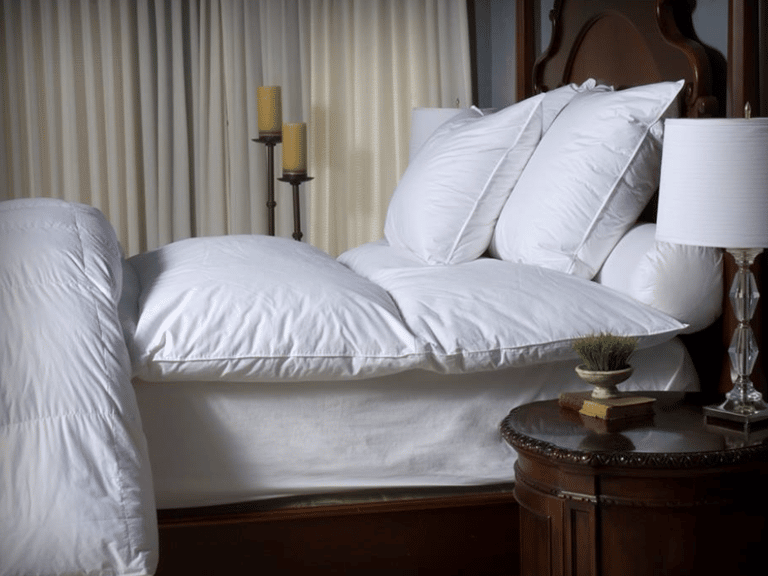
Featherbeds are another form of added cushioning, with a different feel from many fitted mattress toppers. Their loft, fill distribution, shell and construction all influence how the layer behaves. For readers comparing this broader category, the Featherbed is described as having a structured feel, a five-inch loft and three-chambered baffles, with goose feather and down fill. It is an example of a featherbed rather than a Vispring product, and its listed materials and care should be checked against your own needs before considering it.
Regardless of material, read the care guidance before buying. Some layers can be washed; others may require spot cleaning, professional care or regular airing. A construction that feels right but cannot be maintained in the way your household needs may prove less practical over time.
Match the topper to your sleeping position
Sleeping position can help frame the conversation, but it does not dictate one universal answer. Body shape, personal preference, mattress firmness and the way you move overnight all influence comfort. Use position as a starting point for noticing where pressure or unsupported gaps may arise, rather than as a strict rule for selecting a specific thickness or material.
Side sleepers may be particularly aware of pressure around the shoulder and hip, where the body meets the bed. If the mattress feels too firm in those areas, a cushioning layer could be worth investigating. But too much softness may make the surface feel less stable or change how the body settles. Back sleepers may prefer a surface that cushions while retaining a sense of support. Stomach sleepers often favour a less yielding feel, though individual comfort varies.
If you share a bed, compare notes with your partner. One person may prefer a softer surface while the other wants a firmer, flatter feel. A single topper affects the shared sleep surface, so consider whether both sleepers are comfortable with the change. Test arrangements where possible and check the seller’s return policy before buying, especially when the feel cannot be experienced in person.
Get the fit right: measure before you order
Comfort is only part of the decision. A topper that shifts, overhangs or bunches can disrupt the calm, level surface it is meant to create. Start by checking the exact mattress dimensions—not simply the label on the bed frame. UK mattress sizes have familiar names, but product ranges can include variations, and international dimensions may not match UK conventions precisely.
- Measure the mattress itself. Record its length and width, and note its depth if the topper is designed to attach or fit closely around it.
- Confirm the product’s stated size. Compare the measurements in the current product specification with your own, including any guidance on acceptable variation.
- Check the construction. Some toppers sit loose on the mattress; others have straps, elasticated edges or a fitted skirt. Confirm how the particular design is meant to stay in place.
- Consider the bed as a whole. If the mattress sits within a frame or against a headboard, account for any ledge, side rail or tight clearance that could affect the added depth.
- Recheck the arrangement after fitting. Smooth the layer and confirm that it lies flat, stays aligned and does not create uneven edges.
Measure with a tape rather than estimating by eye. If your mattress has a pillow-top, quilting or an unusual shape, mention that when seeking sizing advice. A topper’s dimensions may refer to the layer itself, while a fitted design may use a skirt intended for a certain mattress depth. The distinction can matter as much as the nominal bed size.
Remember the fitted sheets
Adding a topper raises the sleep surface. That extra height may make a fitted sheet harder to secure, particularly if the mattress is already deep or the sheet has a shallow pocket. Before ordering, check your current fitted-sheet depth and compare it with the combined height of the mattress and the added layer. Allow enough room for the sheet to wrap beneath the mattress without being stretched tightly over the corners.
A sheet that is too shallow can pull free during the night or place tension on its seams. An oversized sheet may wrinkle and gather under the body. Neither issue is a sign that the topper is necessarily unsuitable; it may simply mean the bedding needs to be sized for the new total depth. Check the sheet maker’s measurements rather than relying solely on labels such as “deep fitted.”
Also consider blankets and bedcovers. A higher surface can alter how bedding drapes at the sides, and a thick topper may change the proportions of a fitted bedspread. A small practical check before purchase—measuring the mattress, topper and sheet together—can prevent an otherwise comfortable choice from becoming awkward to make.
Think about temperature and airflow
A topper adds another layer between the body and the room. Depending on its filling and construction, it may change how warm the bed feels or how readily moisture and heat move away from the surface. Bedroom temperature, duvet weight, nightwear and personal preference all contribute to the result, so no material should be treated as a guaranteed solution for overheating or feeling cold.
Look for specific descriptions of the cover, filling and construction rather than relying on broad claims. If you tend to sleep warm, consider the combined effect of mattress, topper, protector, fitted sheet and duvet. The layer may be only one part of the climate around you. If warmth is a concern, ask whether the seller can explain the topper’s materials and recommended bedding combinations.
Care, hygiene and longevity
A topper is in close contact with sheets and may collect dust, moisture and everyday debris. A washable cover or removable layer can make upkeep simpler, but cleaning instructions vary. Read the label before using water, detergent, heat or a vacuum. A filling that is not designed for machine washing may clump or lose its structure if handled incorrectly.
Use a mattress protector only if it is compatible with the topper and does not undermine the feel or fit you are trying to achieve. Air the bed according to the manufacturer’s advice, and deal with spills promptly using the method specified for the materials. Avoid improvised cleaning products: a harsh treatment can damage a fabric, alter a finish or leave residue.
Ask about expected care, the warranty and any restrictions on rotation or use. A topper’s lifespan depends on its construction, frequency of use and maintenance, so be cautious of universal longevity claims. If the layer develops lasting lumps, unevenness, persistent odour or visible damage, consult the manufacturer’s instructions and consider whether it remains suitable for use.
Questions to ask before choosing a Vispring mattress topper
Product pages can contain many details, but a few focused questions often reveal what is most important. If a specification is unclear, contact the retailer or manufacturer rather than guessing.
- What materials and proportions are used in this specific topper?
- How does the maker describe its feel, loft and intended use?
- What are its exact dimensions, and how does it secure to the mattress?
- Is it suitable for my mattress size, depth and type of base?
- Will my fitted sheets still accommodate the combined mattress and topper height?
- What are the cleaning, airing and storage instructions?
- Are there warranty conditions, trial terms or return limitations to understand?
- Can I try the topper in person, or return it if the feel is not right?
For a Vispring product in particular, check the model name and current specifications carefully. A brand name alone does not reveal the precise construction or maintenance needs of every item. Confirm details with an authorised source, especially if you are comparing a topper with a matching mattress or want advice on compatibility.
A practical way to make the decision
Keep the process grounded in your own bed. Write down what feels wrong, inspect the mattress and base, and identify the degree of change you want. Then compare materials and construction against that goal. Measure the mattress, review sheet depth and check the care instructions before weighing up the final options.
If possible, test the topper in the conditions in which you will use it: on the intended mattress, with the bedding you normally sleep under. Give yourself time to notice whether the change feels comfortable across more than one night, while keeping in mind the seller’s trial and return terms. A brief showroom impression can be useful, but the surrounding mattress and room conditions may differ from home.
Finally, distinguish a surface preference from a support problem. A topper can add cushioning and alter the texture of a bed; it cannot reliably repair a mattress that has deteriorated or correct every source of discomfort. If pain is persistent, worsening or affecting daily life, seek advice from an appropriate health professional rather than relying on bedding changes alone.
The right layer is the one that fits your bed and your life
Choosing a mattress topper is an exercise in careful observation. The material matters, but so does the mattress beneath it, the shape of your bed, the depth of your sheets and the routine required to keep the layer in good condition. A Vispring mattress topper may be worth considering when its current specifications align with the comfort change you are seeking; the name itself is not a substitute for checking fit, feel and care.
Start with a clear purpose, measure twice and compare the details. The best result is not necessarily the thickest or most luxurious-sounding option. It is the layer that works with the mattress you have, feels comfortable to the people who sleep on it and remains practical through ordinary nights, changing seasons and regular care.
This article provides general bedding information, not medical advice. Comfort is individual, and product specifications, availability and care guidance may change; check the latest information for the specific item you are considering.