In the orbit of modern living, where apartments shrink and rooms multiply in purpose, the bed is no longer merely a place to slumber. It is a strategic anchor in a room that must perform more than one function: a sanctuary, a workspace, a storage hub, and a social space all at once. From the murphy bed that folds away like a well-kept secret to the sofa bed that morphs a living room into a guest suite, space-saving bed designs represent a culmination of craft, engineering, and urban wit. This article, written in the measured cadence of Time magazine, surveys practical pathways to cultivate comfort without crowding, drawing on historical perspectives, current product exemplars, and the insights of thinkers who understood space long before it became a trending topic.
To illuminate these ideas, we anchor the discussion with three key individuals whose work spans distinct eras — from early modern design to contemporary furniture innovation — and then translate their influences into tangible strategies for today’s bedrooms. We also introduce a flagship product from the Vispring line, a benchmark in luxury sleep systems, to demonstrate how premium components can coexist with compact layouts.
The Historical Lens: Three Figures Shaping Space and Sleep
-
Elizabeth “Bess” Naylor (late 18th – early 19th century): A fiber of practicality in the evolution of domestic space. Naylor’s era witnessed the rise of multi-purpose rooms, where furniture doubled as daily tools and occasional guests’ accommodations. Her era’s innovations laid groundwork for foldable components and transformable pieces, a conceptual thread that modern space-saving beds continue to pull.
-
Le Corbusier (1887–1965): The modernist master who insisted on efficient space use through modularity and clear spatial logic. His principles encourage readers to think of beds not as standalone relics but as integrated parts of a room’s rhythm — a design choice that informs today’s wall beds, platform beds, and low-profile frames that visually expand a room.
-
Donna Hicken (b. 1969): A contemporary designer whose practice emphasizes accessible luxury and adaptable living. Hicken’s work demonstrates how thoughtful materials, modular layers, and ergonomic tailoring enable a compact bedroom to feel generous, calm, and organized without sacrificing style.
Core Principles for Space-Efficient Sleep Environments
The following principles emerge when you marry historical insight with modern technology and material science:
- Prioritize multi-functionality: Choose bed designs that offer additional storage, seating, or desk-space integration without compromising sleep quality.
- Honor circulation and traffic flow: A compact room benefits from layouts that preserve clear pathways and minimize visual clutter.
- Leverage modularity and lightness: Lightweight frames, lift mechanisms, and modular components make daily use effortless and adaptable.
- Opt for natural materials and breathable fills: In small spaces, temperature and humidity management matter for long nights of restorative sleep.
Layout Playbook: Tips for Traffic, Function, and Flow
Creating a humane bedroom in a compact footprint hinges on how you orchestrate the space around the bed. Here are time-tested strategies that translate well to contemporary interiors:
- Centralize the bed with balanced access: In small rooms, avoid cramping the bed into the corner. A balanced central placement within a tight palette helps the eye travel and reduces clutter perception.
- Exploit perpendicular furniture lines: Choose desks, shelves, and drawers that align with the bed’s axes to produce visual coherence and easier navigation.
- Adopt floating or wall-mounted elements: Wall beds, floating nightstands, and suspended lighting free up floor space and give the room a lighter feel.
- Keep a cohesive color story: Monochrome or soft contrast palettes expand perceived space and reduce visual noise.
Choosing Space-Saving Beds: Material, Mechanism, and Day-to-Night Transitions
When selecting a space-saving bed, several decision vectors guide the choice. The bed must perform sleep, seating, storage, or workspace roles with grace and reliability. Consider the following categories:
- Mural-to-wardrobe integration: Beds that fold or slide into cabinetry or a wall cavity minimize room intrusion and keep surfaces clean.
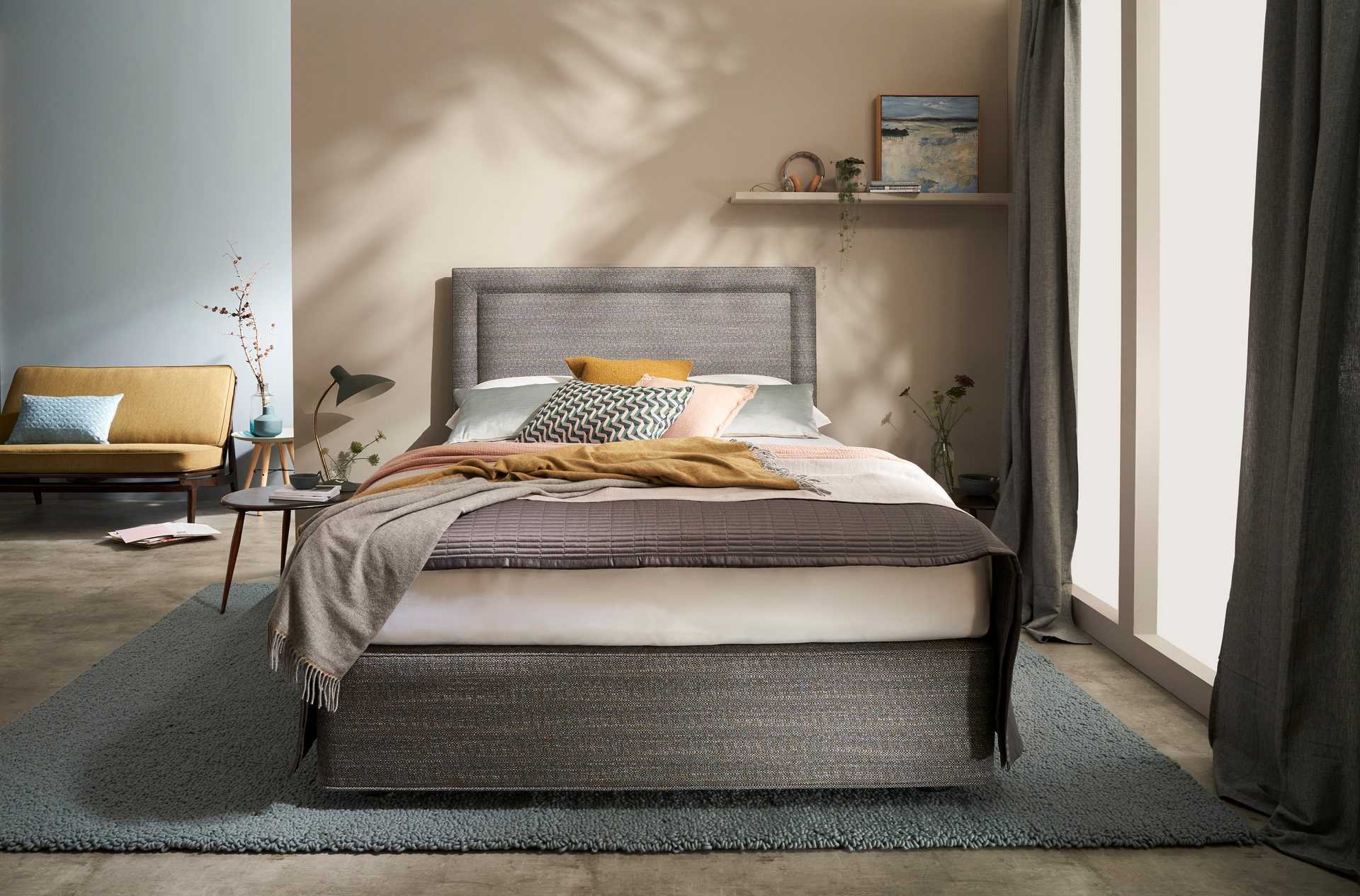
- Low-profile platform beds: A sleek silhouette that reduces mass while preserving under-bed clearance, crucial for a room’s breathable feel.
- Sofa beds with durable sleep surfaces: A reversible investment that converts a sitting area into a guest-ready sleeping zone without a nightly swap.
- Modular, light-frame constructions: Lightweight alloys or timber frames with modular add-ons make reconfiguration a weekend affair rather than a full remodel.
Product Spotlight: Vispring Coronet Mattress—A Benchmark in Luxury Sleep for Compact Setups
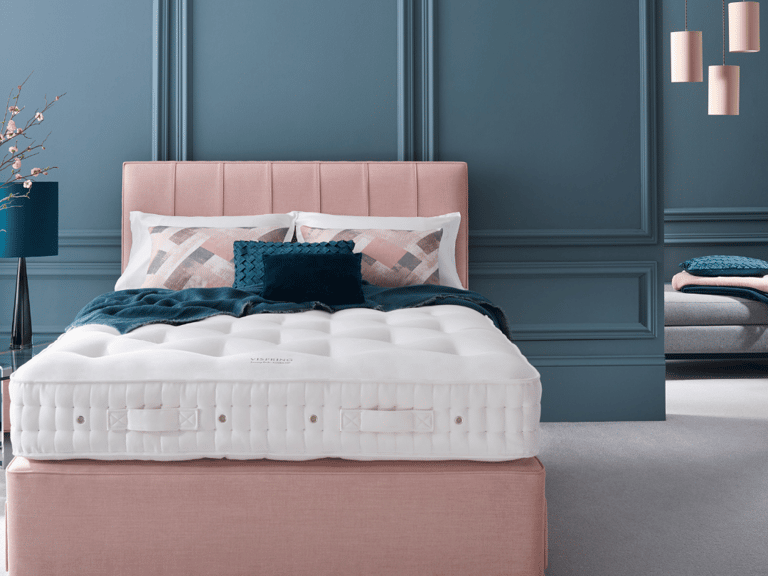
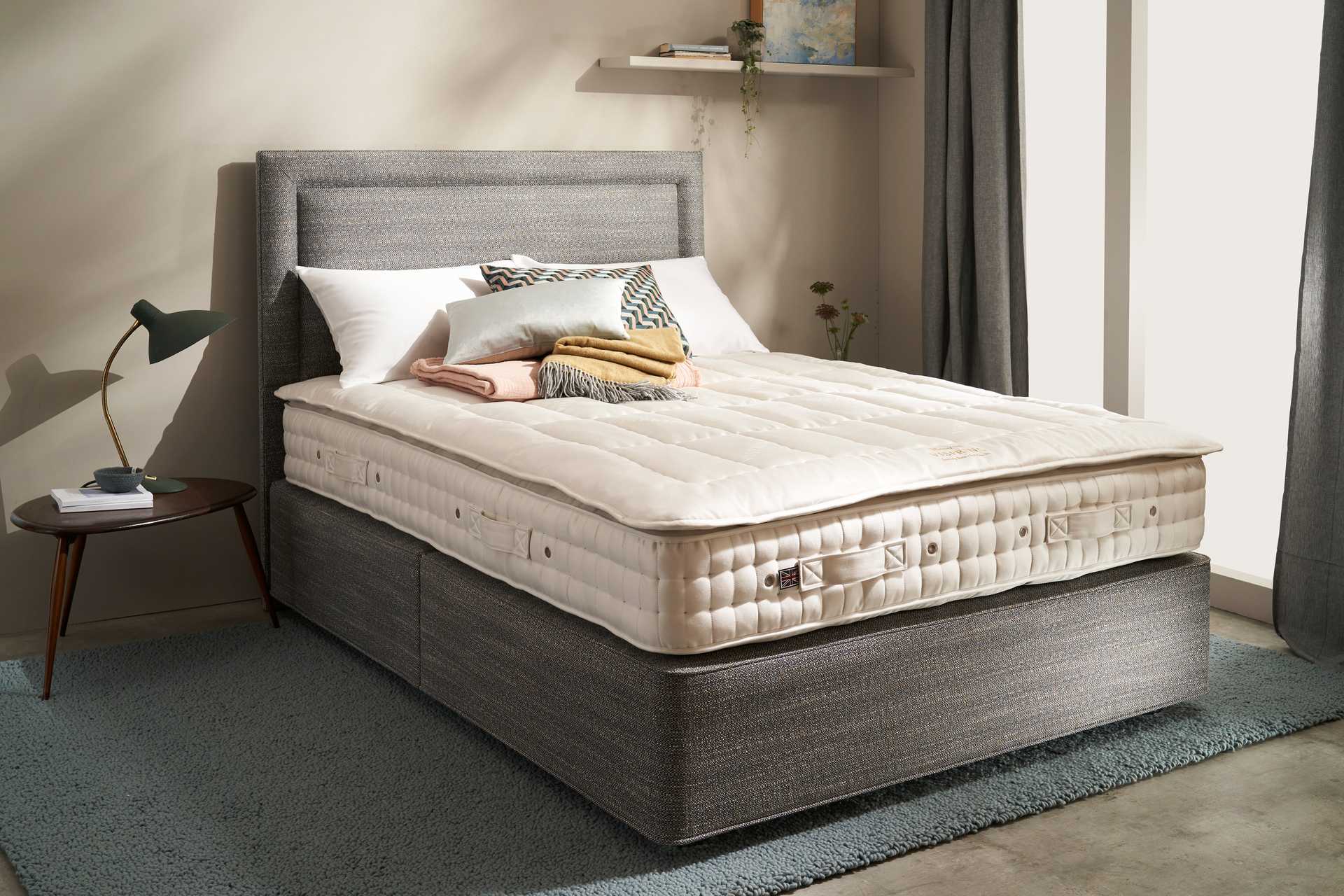
The Vispring Coronet Mattress represents a confluence of artisanal craftsmanship and compact utility. While designed as a luxurious sleep surface, its modular nature and refined materials adapt gracefully to smaller rooms where every inch matters.
Vispring Coronet Mattress
A pinnacle of natural fillings and hand craftsmanship, the Coronet blends cotton and premium British fleece wool with a Vanadium steel spring system. It offers firmness options from soft to extra-firm, allowing a compact bedroom to maintain a sense of generous support.
Key features: hand-nested calico pocket springs, natural fillings, breathable ticking, edge stability, and customizable firmness. Available in high and low heights to tailor fit for small spaces.
Price: 5300.00 USD (list) / 5300.00 USD sale price
Aesthetic and Practical Balance: The Small-Space Bedroom in Today’s Context
The contemporary bedroom is no longer a single-use chamber but a compact sanctuary that serves as rest, work, and retreat. The rise of space-saving beds aligns with our collective longing for calm in crowded urban life. The bed becomes less a block of furniture and more a pivot around which a room can re-claim its serenity. In this light, the Vispring Coronet—though a product of luxury—exemplifies a philosophy: that high-quality materials and thoughtful engineering can coexist with a pared-down footprint and a generous sleeping experience.
Practical Guides: Quick-Start Strategies for Any Budget
If you’re approaching a compact bedroom with a fresh mindset, here are actionable steps to begin your transformation today:
- Audit the room for dead zones. Identify spots that feel cramped and reallocate a bed’s footprint to create a pathway with at least 30–40 cm of clearance around it.
- Consider a platform bed with under-bed storage. Clear bins or drawers can replace a standalone dresser, freeing floor space while keeping essentials accessible.
- Use a wall-mounted or fold-away desk integrated near your sleeping zone to preserve the room’s atmosphere while supporting daily productivity.
- Invest in a high-quality mattress topper to refresh comfort on an existing bed without a full replacement, enabling flexible swaps with minimal space impact.
In-Depth: The Psychology of Small Rooms and the Sleep Experience
The decision to embrace space-saving beds is not merely utilitarian; it taps into a broader human preference for environments that balance intimacy with openness. Research across design and psychology suggests that clutter and crowding disrupt sleep, while consistent lines, natural materials, and legible zones nurture rest. A space-saving bed, thoughtfully chosen and well integrated, becomes a catalyst for better sleep and a more cohesive daily life. In that sense, the bed is not a mere object; it is a behavioral instrument—one that shapes how we wake, work, and dream in compact dwellings.
Conclusion: Embracing Space, Sleep, and Style
In an era when space is a premium, the bed transforms from a passive anchor to an active participant in a home’s design narrative. The path forward is not to shrink life to fit a room but to craft rooms that anticipate life’s needs with intelligent, flexible, and beautifully made sleeping arrangements. The Vispring Coronet Mattress stands as a touchstone for what is possible when artisanal craft meets practical urban living. Through mindful layout, selective furniture, and the strategic use of space-saving beds, small bedrooms can deliver large experiences — a testament to how far design has come when we begin with sleep as a starting point, not an afterthought.